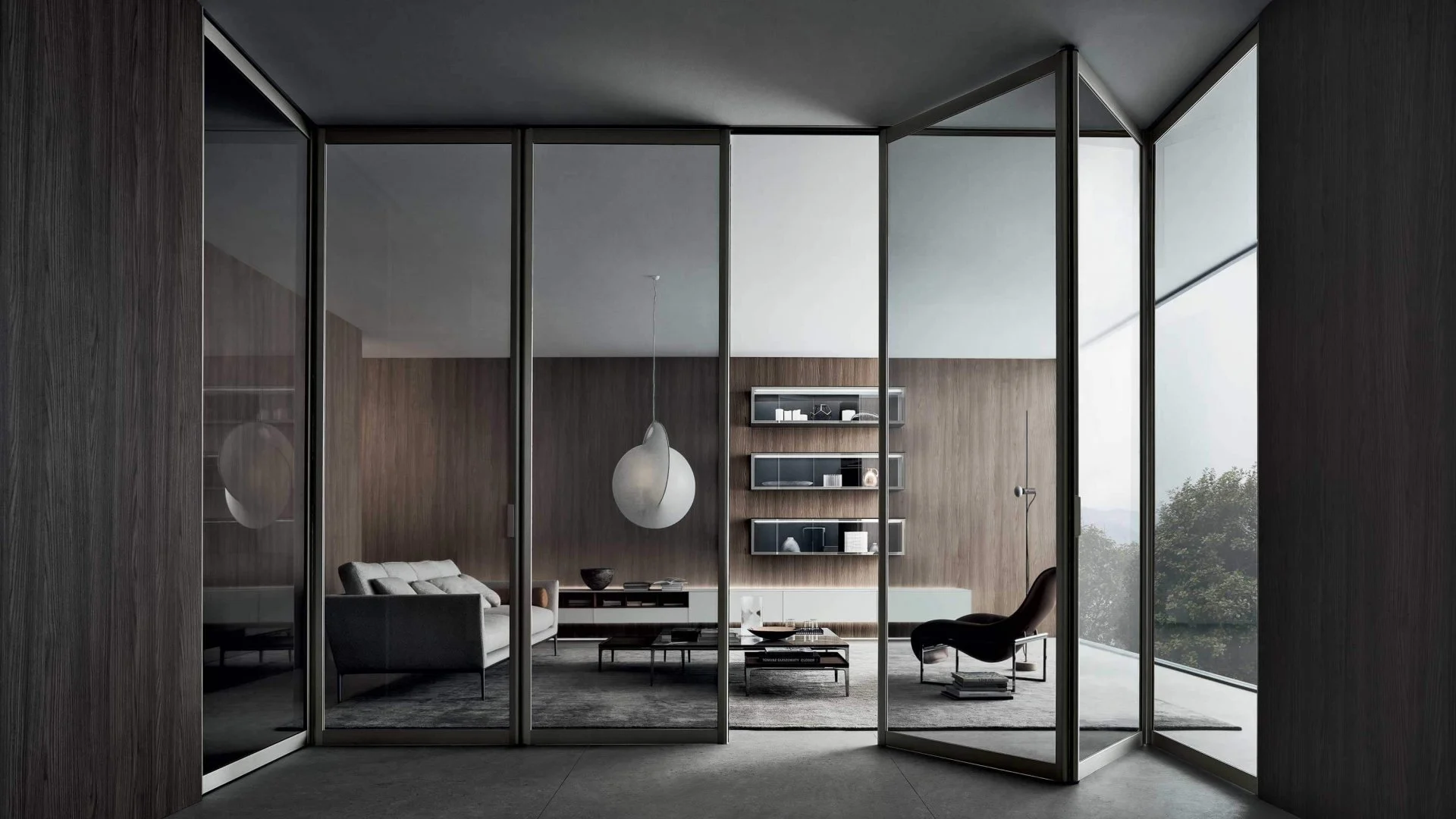
Aluminium Glass Partitions: The Best Manufacturer for internal partition
Aluminium Glass Partitions: The Best Manufacturer for internal partition
Table of Contents
Introduction
Why Glass Is Important for Internal Partitions
Different Kinds of Glass for Internal Walls
Advantages of Using Glass for Internal Partitions
How to Pick the Right Glass for Your Space
Conclusion
Questions and Answers
1. Introduction
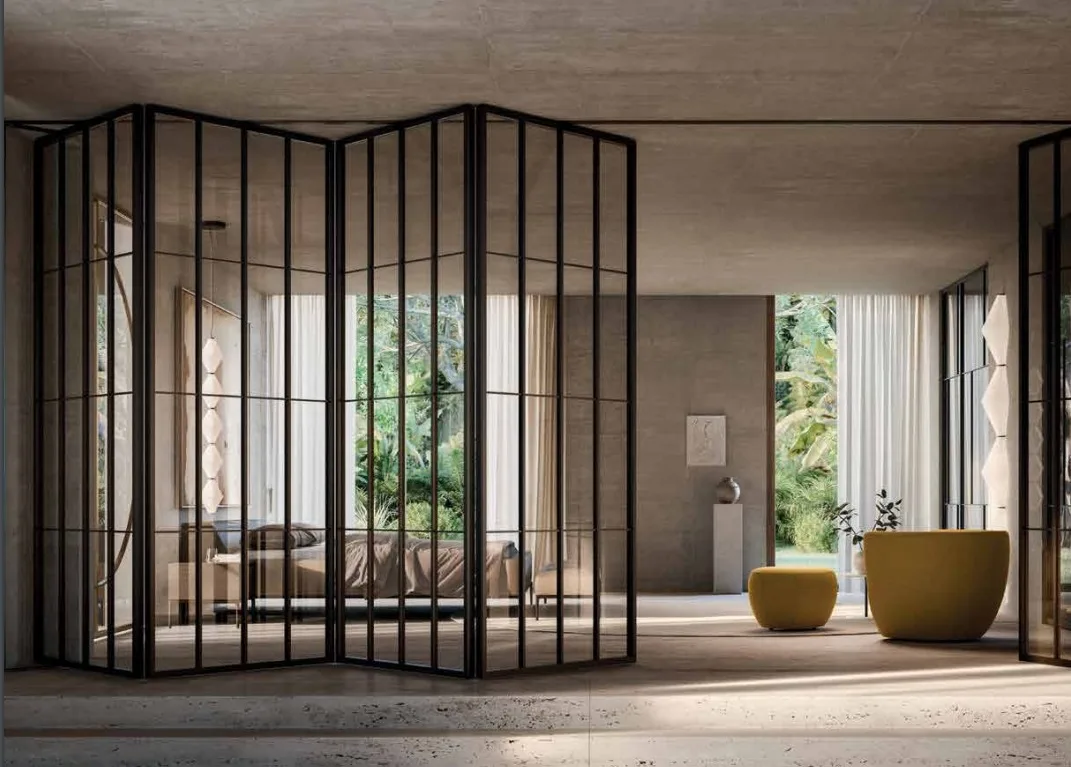
Internal partitions are now a must-have in modern architecture, especially in homes and businesses. These partitions not only create separate functional areas but also enhance the space's overall appearance. Glass is becoming a more popular choice for partition materials because it is clear, allows more light to pass through, and has a sleek appearance.
Aluminium Glass partitions let in natural light, which makes the space feel more open and airy. They also provide the privacy and functionality that you need. This guide will cover the various types of glass used in internal partitions, including their applications, benefits, and considerations for selecting the right one for your space.
2. Why Glass Is Important for Internal Partitions
People really like Aluminium Glass partitions because they can separate rooms without making them feel smaller or closed in. They let light through and help the flow of vision between rooms. Aluminium Glass partitions not only look nice, but they also have useful benefits like lowering noise, making things safer, and controlling the temperature. Glass can make a room feel bigger because you can see through it, but it can also give you privacy when you need it, especially with frosted or tinted glass.
Aluminium Glass partitions are also highly customizable, offering options that range from clear to smart glass, catering to various design and functional needs. Glass is an excellent choice for homes, offices, and businesses that want to maintain an open space while keeping functional areas separate, as it is highly flexible.
3. Different Kinds of Glass for Internal Walls
1. Clear Glass
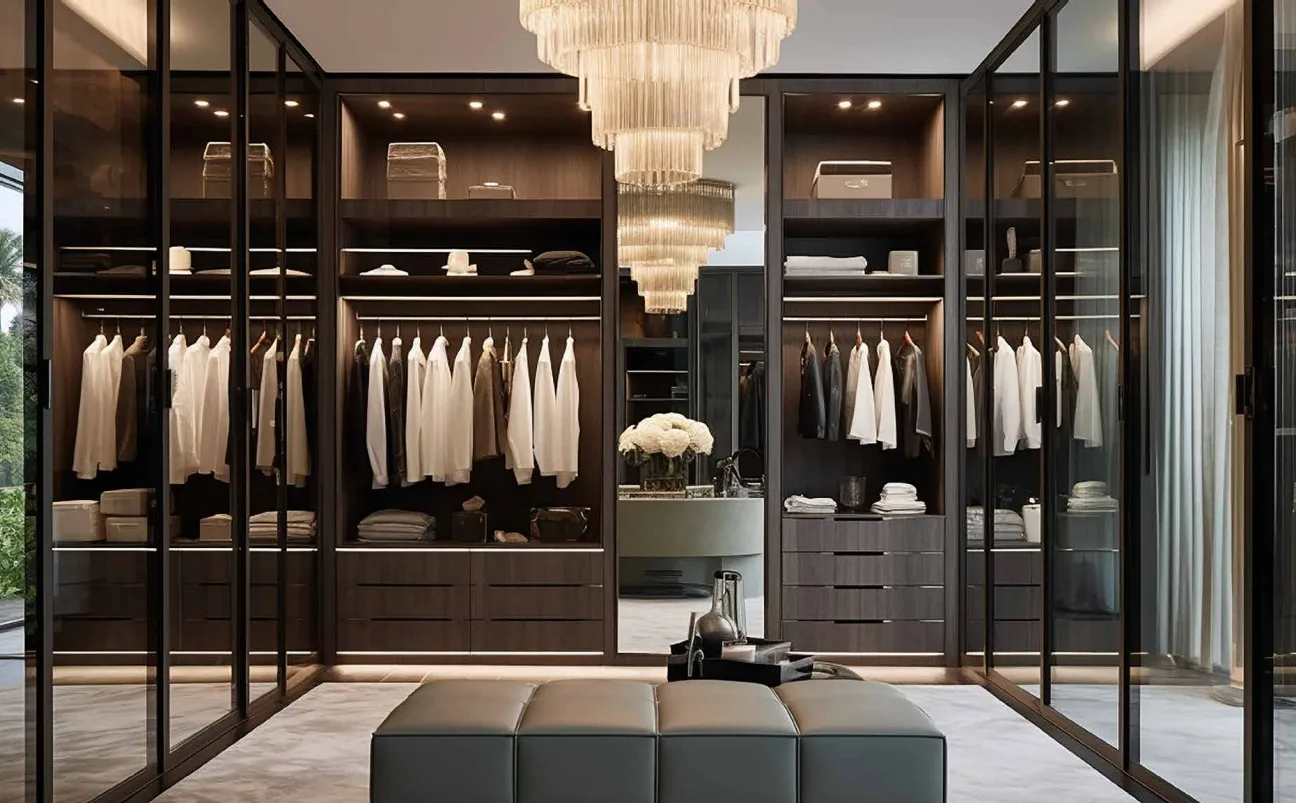
Clear glass is the simplest and most common kind of glass used for internal partitions. The best thing about it is that it can make an open, unobstructed view. This type of glass allows the most light to enter, making rooms appear larger and more open. Clear glass in partitions helps people feel less isolated, as if they are not cut off from other rooms or areas.
This is especially important in offices and meeting rooms, which are commercial spaces. It is also the best choice for homes that want a bright and airy atmosphere. Clear glass does make things easier to see, but it doesn't give you privacy unless you add curtains or blinds.
2. Glass with Frosted Finish
Frosted glass is a popular choice for individuals who desire privacy while still allowing natural light to enter. You can get the frosted look by either sandblasting or etching the glass's surface. This makes the glass see-through, allowing light to pass through.
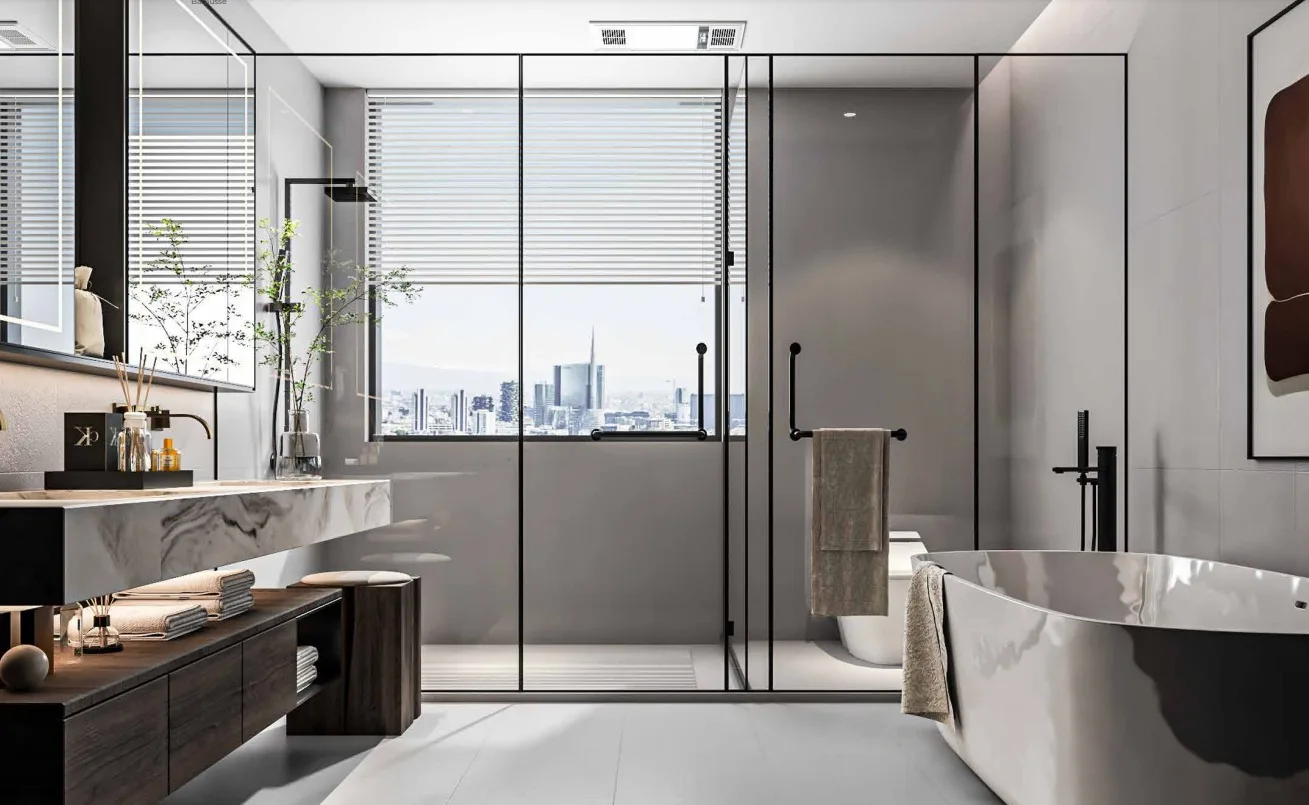
This type of glass is ideal for areas where you don't want to be able to see clearly, such as bathrooms, meeting rooms, or bedrooms. Frosted glass allows enough light to brighten the room without compromising privacy. It gives a room a modern, sleek look that complements a wide range of interior design styles. It costs a little more than clear glass, but its benefits for privacy and design make it a good choice for people who want to be both open and closed.
3. Glass with a Tint
A type of glass called tinted glass has been treated with a color or tint to let in less light. People often use this type of glass in places where the sun shines directly on it, as it helps keep the room cool and reduces glare. The tint can be light or dark, depending on your preference. Offices with large windows that require control over sunlight, as well as living spaces that need to regulate brightness and heat, often feature tinted glass.
Tinted glass does provide some privacy, but it doesn't do as good a job of blocking visibility as frosted or opaque glass. One possible drawback of tinted glass is that it can make a room feel darker, which may not be ideal for small rooms or areas that receive limited natural light.
4. Glass with a Laminate
Plastic interlayers hold two or more layers of glass together, creating laminated glass. People are aware that this type of glass is strong and durable, lasting a long time. If the glass breaks, the plastic layer keeps it from shattering into sharp pieces that could hurt someone. Laminated glass is a great choice for areas that require extra safety, such as homes with children and pets or offices with high foot traffic.
Laminated glass also blocks noise, making it a good choice for dividing rooms that require soundproofing, such as conference rooms or private offices. It costs more than regular glass, but its safety features and enhanced durability make it a good choice for areas with high traffic or where safety is a priority.
4. Tempered Glass
Tempered glass is a type of safety glass that has been heated to increase its strength and resistance to breakage. The glass is heated to a high temperature and then cooled quickly. This makes it four to five times stronger than regular glass. Because of this, tempered glass is ideal for areas with high foot traffic or where the glass is more likely to be impacted.
One of the most important safety features of tempered glass is that when it breaks, it breaks into small, dull pieces instead of sharp shards. This makes it much less likely that someone will get hurt. People often use tempered glass in commercial spaces for items such as glass doors, partitions, and windows.
5. Glass with Two Layers
There are two layers of glass in double-glazed windows, and a space is usually filled with air or gas between them. This design enhances insulation, which helps keep the heat in during winter and out during summer. People often use double-glazed glass in partition walls when keeping the heat in is crucial, such as in homes or offices in areas with extremely hot or cold weather.
Double-glazed glass is ideal for rooms that require both temperature control and noise reduction, as it not only retains heat but also blocks noise. Double-glazed glass costs more than single-glazed glass, but it can save you money on heating and cooling costs in the long run because it is more energy-efficient.
6. Glass that is Fire-Rated
Fire-rated glass is designed to remain strong at high temperatures for a specified period, preventing fires from spreading from one location to another. This type of glass is crucial in homes and businesses where fire safety is a top priority. You can use fire-rated glass in doors, windows, and partition walls to make fire barriers that keep people safe and limit damage during a fire.
There are different ratings for fire-rated glass, depending on the level of fire resistance required. Fire-rated glass is safer than regular glass, but it is usually thicker and less transparent, which can make it less visually appealing. Even so, fire-rated glass is a must-have in areas where fires are likely to occur due to its safety features.
7. Glass with a Rough Surface
Textured glass features patterns or designs that make a partition look more interesting and give it a distinct feel. There are various methods for creating it, such as sandblasting or molding, and it's ideal for areas where a more decorative or artistic look is desired.
Textured glass walls provide privacy because the texture makes it difficult to see through, while still allowing light to pass through. This makes it a great choice for room dividers, bathrooms, and private offices.
4. Advantages of Using Glass for Internal Partitions
There are numerous compelling reasons to incorporate Aluminium Glass partitions into modern interior design. First, they let natural light in, which makes rooms feel brighter, more open, and welcoming.
You can also customize aluminium Glass partitions to suit your specific needs, such as enhancing privacy, soundproofing, or improving fire safety. Additionally, aluminium Glass partitions lend a room a modern and sleek appearance that complements a wide range of design styles, from minimalist to industrial. Many types of glass are also scratch-resistant, stain-resistant, and wear-resistant, making them durable and easy to care for over time.
5. How to Pick the Right Glass for Your Space
There are a few things to think about when choosing glass for internal partitions. Consider what you need the space for, such as privacy, soundproofing, or controlling the temperature. Consider how much natural light you want to keep in the room and whether you need to control the amount of sunlight that comes in. The type of glass you choose will also depend on your budget and whether you prefer a standard type or a more specialized option, such as smart or acoustic glass.
Lastly, ensure that the glass you choose complements the overall look of your space.
6. Conclusion
Aluminium Glass partitions are a modern and flexible way to separate rooms. They offer several benefits, including allowing more natural light and providing greater privacy. You need to choose the right type of glass for your specific needs, as each type has its own unique set of features. There is a perfect type of glass for every partition, whether you want clear glass to create an open feel, frosted glass for privacy, or acoustic glass to reduce noise.
7. Questions and Answers
Yes, home partitions can be customized according to the material, design, and size.The most common type of glass is clear glass because it allows the most natural light to pass through and is transparent./div>
Frosted glass allows light to pass through while maintaining privacy, making it easier to see through without compromising light.
Yes, tinted glass is ideal for offices that receive a lot of direct sunlight, as it reduces heat and glare.
When broken, laminated glass stays together, which is safer. When broken, tempered glass is stronger and breaks into small, blunt pieces.
Yes, acoustic glass significantly reduces sound transmission, making it ideal for areas where sound quality is crucial.
Double-glazed glass is energy-efficient and comfortable because it retains heat and blocks sound.
Fire-rated glass is crucial in areas where fire safety is paramount, such as stairwells and hallways.
When an electrical current runs through smart glass, it changes from clear to opaque. This allows you to control privacy and lighting dynamically.
Yes, textured glass keeps people from seeing through it while still allowing light to pass through.
Yes, laminated glass usually costs more because it features additional safety measures and is composed of multiple layers of glass.